The 15-Minute Evening Reset for Busy UK Households
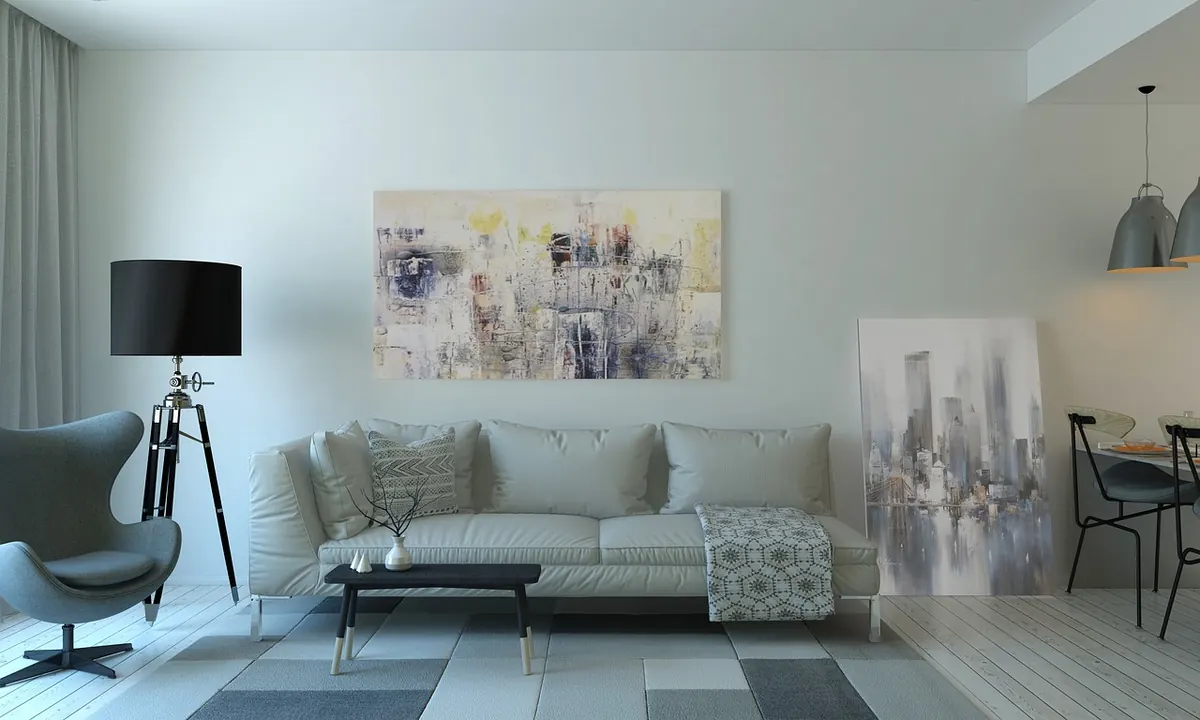
Half past eight. The plates are stacked by the sink, a school bag has landed in the hall, and the sofa is holding a jumper, two mugs and a charging cable. You could leave all of it until morning. Most of us do.
The 15-minute evening reset is a short, repeatable routine that tidies three zones — kitchen, living room and entryway — before you go to bed. It is not a deep clean. It is not a decluttering session. It is fifteen minutes of putting things back so tomorrow starts from a level surface.
Why the evening works better than the morning
Mornings have a hard edge. There is a train to catch, a school run to manage, a first meeting at nine. When you are already racing the clock, a pile of washing-up stops being a five-minute job and becomes a decision — and decisions are the last thing you want at 7.30am.
Evenings are more forgiving. There is no deadline and no need to be efficient. You can wander about with a mug in one hand and still get it done.
There is a second reason it sticks. Tidying at night closes the day. You have already used the kitchen, the living room and the front door; putting them back in order is the final step of using them, the way switching off a lamp is the final step of reading.
How the fifteen minutes are divided
Five minutes per zone, deliberately tight. Give yourself five minutes for the living room and you will pick up the cushions and the cups and stop. Give yourself an hour and you will end up sorting a cupboard. Use a timer you can see, and move on when it goes, even if the zone is not perfect.
Minutes 1–5: the kitchen
The kitchen carries the most weight, so start there while you still have energy. Plates into the dishwasher or the washing-up done, sink rinsed, draining board cleared, counters wiped, bin checked. Anything belonging in another room goes to the doorway so you can carry it out on your way past.
Before you leave, do one small thing for tomorrow: fill the kettle, set out the breakfast bowls, or make sure the coffee things are where you will want them at 6.45am. It takes twenty seconds and changes the mood of the morning. What you are not doing: reorganising the spice shelf or matching lids to containers. Those are weekend jobs.
Minutes 6–10: the living room
The living room is less about dirt and more about drift — cups, a blanket, a laptop cable, a book, three odd socks. Take one lap of the room and pick up anything that does not belong.
- Mugs and glasses back to the kitchen
- Throws folded over the sofa, cushions squared up
- Remotes gathered into one spot
- Toys and craft bits into a basket, sorted properly another day
- Floor clear enough to cross without stepping over anything
The habit that saves the most time: never leave a room with empty hands. Going to the kitchen anyway? Take the mugs. Heading upstairs? Take the socks.
Minutes 11–15: the entryway
The entryway is the smallest zone and the one that pays you back fastest. Shoes paired and on a rack or tray, coats on hooks rather than over the newel post, tomorrow's bags lined up by the door, keys in their spot, dog lead back on its hook.
Post is worth thirty seconds. Sort it into three piles — deal with it, file it, bin it — and the pile stops growing. Anything needing action goes somewhere you will see it in daylight, not into a drawer.
Six rules that keep the reset to fifteen minutes
- Use a timer. The limit is what makes it a routine rather than a project.
- One zone at a time. Do not drift between rooms.
- Carry a basket. Anything that belongs elsewhere goes in it, and the basket is emptied at the end.
- Do the visible things. Surfaces, floors, doorways. Nobody is inspecting the airing cupboard.
- Do not start what you cannot finish. If it will take longer than five minutes, it is tomorrow's job.
- Everyone home, everyone involved. Even small children can manage shoes and cushions.
A reset checklist for the fridge door
If you would rather have something to glance at, copy this out and stick it up.
- Plates and pans dealt with; sink clear
- Counters wiped; bin checked
- Breakfast things set out for the morning
- Cups and glasses returned to the kitchen
- Cushions and throws tidied; floor clear
- Clutter and toys in the basket
- Shoes paired; coats hung up
- Post sorted into three piles
- Keys, bags and leads in their places
- Lights off, timer stopped
Getting the rest of the household on board
One person doing fifteen minutes while everyone else watches is not a reset; it is unpaid work with an audience. Give each person two jobs and keep them the same each night. Children respond well to ownership — the shoes are theirs, the cushions are theirs. Teenagers will do more if the jobs are specific ("take the glasses down") rather than general ("tidy up").
Two things to avoid. Do not redo a job someone has just done in front of them, and do not add jobs on a whim, or the reset will quietly grow from fifteen minutes into forty and then stop happening altogether.
On the nights when there is nothing left in the tank
Some evenings, fifteen minutes is not realistic. On those nights do the five-minute version: washing-up dealt with, one lap of the living room with a basket, shoes pushed together by the door. A partly reset house is still better than a fully untouched one.
If most evenings feel like that, though, the routine is not the problem — the week is. Look at what is filling your days rather than trying to squeeze more discipline out of your evenings. Persistent tiredness that does not improve with rest is worth raising with your GP rather than solving with a tidier kitchen.
Start tonight
You do not need new storage, a label maker or a free weekend. You need a timer, three zones and the willingness to stop when the timer goes. Do it tonight, then again tomorrow. Within a week it will feel less like a task and more like the last thing you do before bed, which is exactly what it should be.
Photo: Pexels / Pixabay