How to Clean and Organise a Fridge Before the Weekly Shop
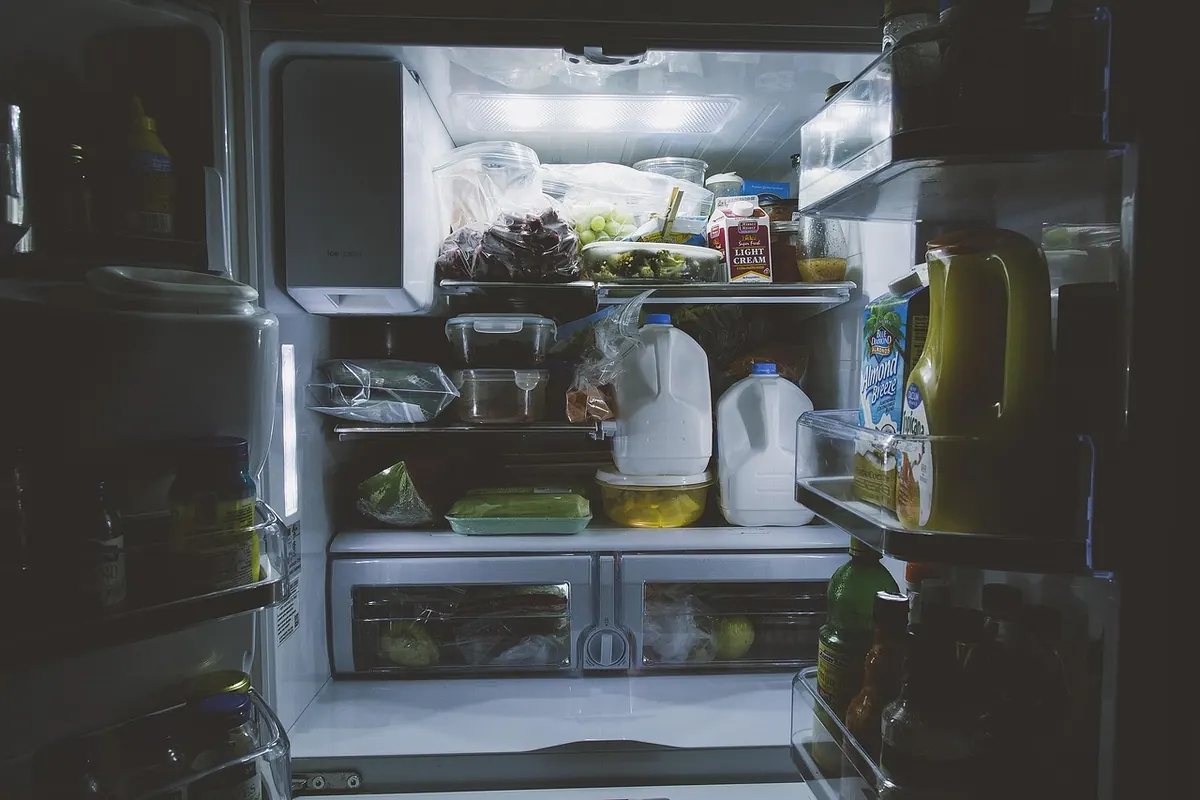
A fridge is at its most useful just before the weekly shop. It is emptier than usual, the odds and ends are visible, and there is a clear window of twenty minutes or so before the new bags arrive and everything gets crammed back in. Use that window well and you start the week with clean shelves, a realistic idea of what you already own, and a shopping list built around food that actually needs using up.
The routine below is deliberately short. It is not a deep clean with a toothbrush and a bowl of hot water; that can wait for a quiet Saturday. This is the practical version you can repeat every week without resenting it.
Start by emptying one shelf at a time
Taking everything out at once is the fastest way to lose enthusiasm. Instead, work shelf by shelf, starting at the top. Move what is on the shelf onto the worktop or into a cool bag if the room is warm, wipe the shelf, then put things back in a better order before moving down.
Keep a bin bag and a bowl of warm soapy water beside you. For most fridges, warm water with a little washing-up liquid is enough. A microfibre cloth wrung out so it is barely damp works better than a soaking wet one, because excess water collects in the door seals and under salad drawers. Dry each shelf with a second cloth as you go. For stubborn sticky patches, a paste of bicarbonate of soda and a little water lifted with a cloth is a reliable standby.
Two things are worth checking while shelves are empty:
- Whether the fridge is set cold enough. If milk is turning early or the back wall is never cool, turn the dial or setting down a notch and give it a day to settle.
- Whether any shelf can move. Raising or lowering one shelf often creates space for tall bottles or a stack of leftovers that currently lives on the worktop.
Check dates as you go, not separately
Every item that leaves the fridge gets a quick look at the label. This is the point of the whole exercise, so slow down here rather than racing through it.
You are sorting into three rough groups: eat this week, eat soon or freeze, and past its best. A few common judgements:
- Use-by dates on meat, fish, dairy and prepared foods are the ones that matter for safety. If something is at its use-by date and you will not eat it today, cook it or freeze it now, provided it has been stored properly. Freeze on the day you would have eaten it, not days later.
- Best-before dates on dry goods, jars and tinned items are about quality rather than safety. They are far more forgiving than most people assume.
- Open jars and sauces often carry a "once opened, use within" instruction. These are easy to forget once the jar is at the back of the door.
If you are ever unsure whether food is safe to eat, especially with meat, fish or leftovers, throw it out. No saved portion is worth the risk. Anyone who is pregnant, older, or living with a condition that affects the immune system should be especially cautious and take advice from their GP or midwife if in doubt.
Put a "use me first" zone in plain sight
Forgotten food is usually hidden food. The middle shelf at eye level is the first place anyone looks, so make it earn its position. This is where the half-used tub of cream cheese, the leftovers from last night, the last two rashers and the softening peppers should live. Items with the longest life go to the back and to the lower shelves.
A few arrangements that genuinely reduce waste:
- Group similar items together. All the cheeses in one spot, all the opened jars together, all the salad in one drawer. You will notice what you have instead of buying a third jar of mustard.
- Keep a clear tub or basket for odds and ends: the lonely tomato, the quarter of an onion, the end of a cucumber. On shopping day, that tub becomes the base of a soup, a stir-fry or a tray of roasted vegetables.
- Store raw meat and fish on the bottom shelf in a container or on a plate. Nothing drips onto food below, and nothing needs to be scrubbed later.
- Keep the door for condiments and drinks, not milk. Door shelves are the warmest part of the fridge, so milk lasts better on a middle shelf.
- Move fruit that is ripening too fast. Bananas, avocados, pears and stone fruit are better on the counter or in a bowl, and away from the salad drawer if you want the salad to last.
Wipe the door seals and handles
The bits you touch are the bits that get grimy without anyone noticing. Give the handles, the door seal and the front edge of each shelf a wipe with the same soapy cloth, then dry them. Run the cloth along the folds of the seal rather than just over the top; crumbs and spills gather in the crease.
Check the drip hole at the back of the fridge, usually above the salad drawer. If water pools at the bottom of the fridge, that hole is often blocked. A cotton bud or a blunt skewer gently pushed through clears it. If you have a fridge with a water dispenser or ice maker, wipe the spout and change the filter as the manufacturer recommends.
The freezer deserves a minute too
You do not need to defrost anything today. Just look at what is in there before you write your list. A quick inventory of the freezer drawer is the difference between buying mince for the third week running and finally making the chilli. If you spot something that has been in there a long while, plan it into the week now.
Write the list while the fridge is still open
Do the list here rather than at the table. You are looking at the gaps. Ask three questions: what needs replacing because it is finished, what needs replacing because it will not last the week, and what you already have enough of.
Then add meals, not just ingredients. If you are buying a chicken, decide whether the leftovers are for sandwiches or a curry, and whether you will need anything to go with them. If the fridge will be busy, plan two meals built around what is already in it and only two or three recipes that need new shopping. That ratio keeps the shelves from overflowing and keeps the food moving.
Before you close the door, take a photo of the inside of the fridge and the freezer on your phone. It takes five seconds and saves you standing in the supermarket aisle trying to remember whether there are eggs at home.
Putting the shop away takes ten minutes
When you get back, unload with the same logic you used to tidy: longest dates at the back, this week's food in the "use me first" zone, meat on the bottom, salad in the drawer. Repack loose items into the tubs and baskets you have already set up rather than letting them float.
Leave the new food on the worktop for two minutes and glance at it. Anything that needs portioning, labeling or freezing is easier to deal with now than on a Wednesday evening. Write the date on leftovers with a marker or a bit of tape. Then do one last thing: push the oldest item to the front and the newest behind it. That single habit is what keeps the routine working, week after week.
Photo: Pexels / Pixabay