Open Shelving vs Closed Cabinets: Which Suits a Cluttered Kitchen?
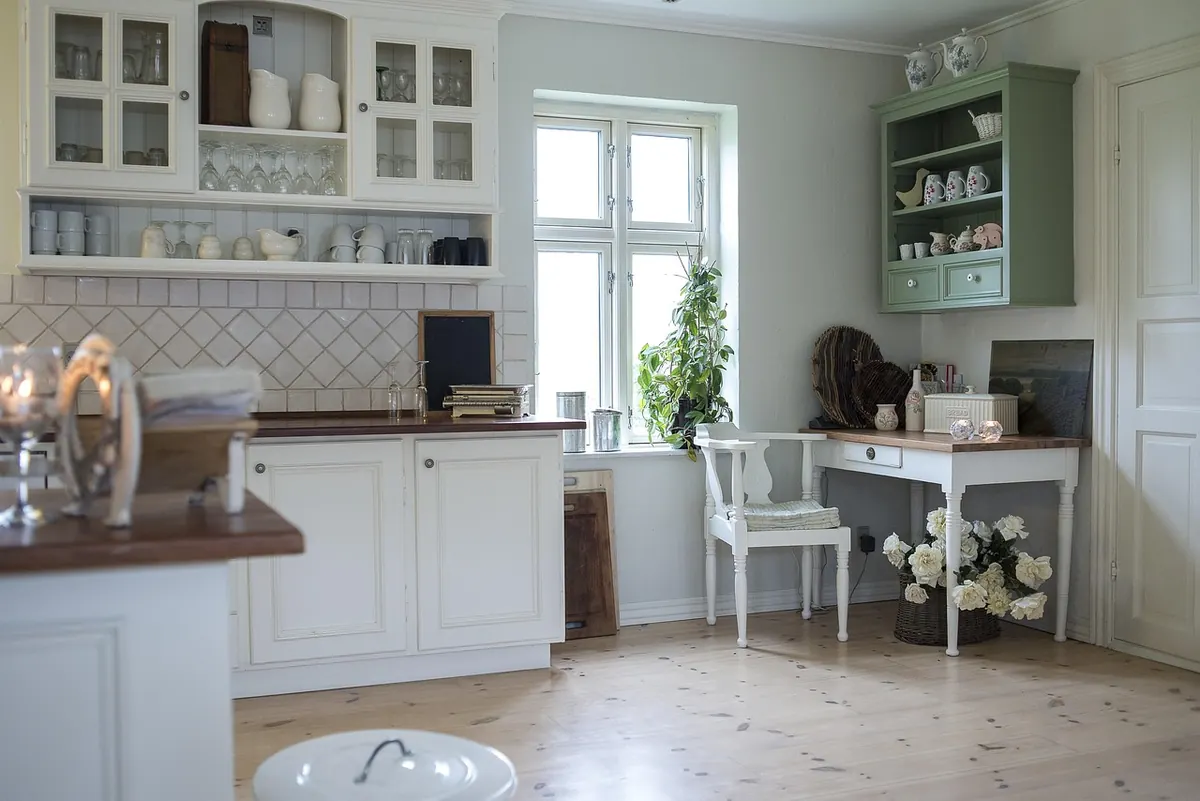
The jars are labelled, the chopping boards are stacked, and the kitchen still looks busy. If you have ever stood in front of a full cupboard and wondered whether taking the doors off would help, you are asking the right question. Dust, display and genuine storage capacity each pull in a different direction.
Work out which kind of clutter you have
Two kitchens can hold the same number of objects and feel completely different. Visual clutter is the busyness you see: mismatched packaging, a tangle of cables, six mugs in six colours. Volume clutter is the physical overflow — the pan that will not fit, the tin balanced on three others, the drawer that no longer closes.
Open shelving helps with visual clutter, because it forces you to edit. It rarely helps with volume clutter, because a shelf holds less than a cupboard of the same width. Closed cabinets do the opposite: they hide the noise, but they also let volume clutter grow quietly until the day everything falls out.
Dust, grease and the weekly wipe
Every horizontal surface in a kitchen collects dust, and in a kitchen it also collects cooking grease. That is the honest argument against open shelving, and it matters most near the hob. Airborne oil from frying drifts, settles and turns tacky on whatever it lands on. Shelves within a metre or so of the cooker need constant attention; shelves on the far side of the room are far easier to live with.
The catch is that dust and grease do not land only on the shelf. They land on every object standing on it. A shelf with fifteen items means fifteen things to lift, wipe underneath and put back, plus the shelf itself. A closed cupboard means one wipe over the door and nothing else. Inside, plates and glasses stay clean for months.
If you fry most days, or your kitchen is small and steamy, closed storage is the lower-maintenance choice. Open shelves can work, but treat them as a commitment: a quick dust weekly, and a deeper clean of shelf and contents every few weeks.
Display: the editing never quite stops
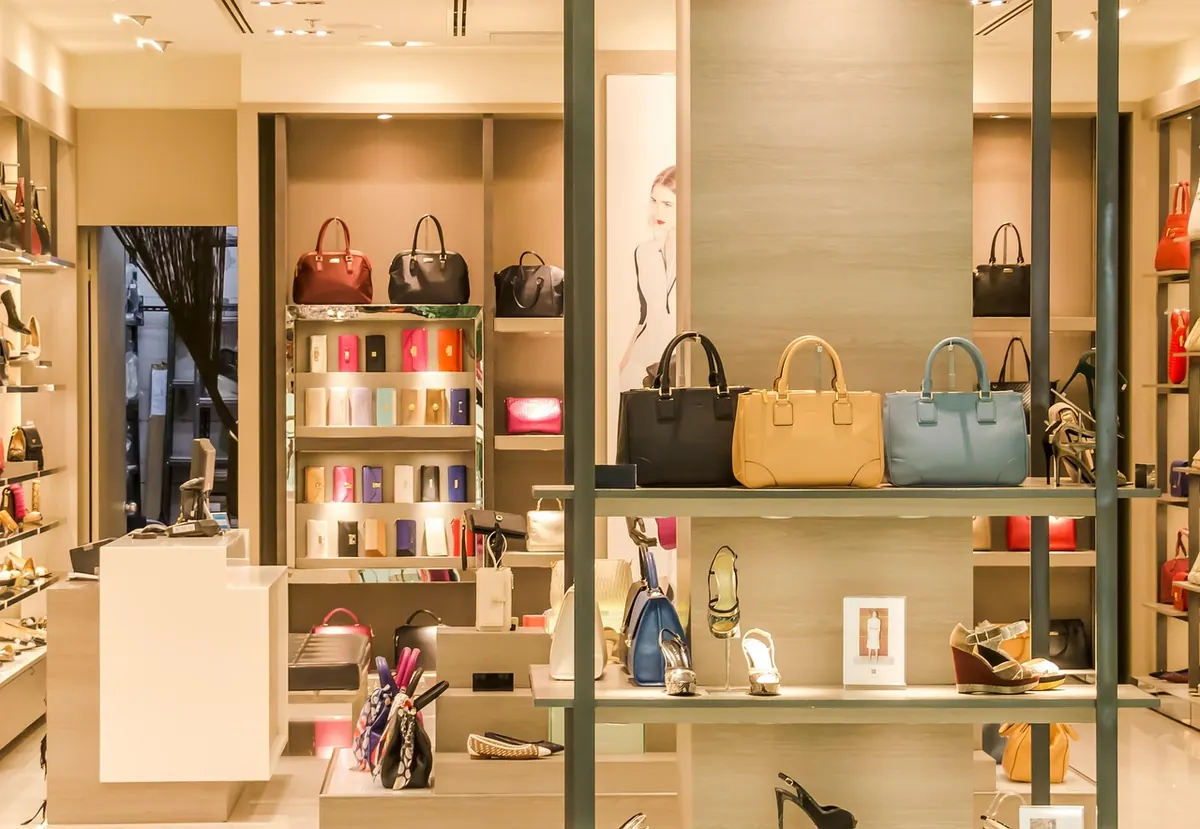
An open shelf is a display whether you meant it to be or not. Everything on it becomes part of how the room reads, from the shade of your mugs to the way a bag of lentils is clipped shut. Done well, this is lovely: a row of everyday plates, a stack of bowls, the cookbook you are actually using.
Done badly, it is a shelf of obligations. That is the hidden cost — not the shelf, but the ongoing tidying. Every new purchase has to earn its place or be hidden elsewhere.
Closed cabinets are forgiving. They hold the ugly but useful blender, the mismatched plastic containers, the half-used packets, the cake tin you need twice a year. Their weakness is memory: things go in and are forgotten. Three jars of cumin, two graters, a pasta shape bought in a moment of optimism. A short list taped inside a door fixes this without much effort.
Capacity: where cabinets quietly win
A cupboard uses depth and full height. Behind a door you can stack bowls, nest pans, add a riser and stand items two or three deep. Take the door off and you keep only the front layer; the rest either hides at the back or blocks the view, which defeats the point.
Shelves also waste height. The gap between two shelves is fixed, so a short row of jars leaves a lot of empty air above it. Cabinets have the same issue, but you can add an internal shelf or riser without worrying how it looks.
Open shelving wins in the awkward places. A shallow shelf fits a narrow gap beside the fridge, sits above a doorway, or fills a corner where a cupboard door would clash with a tap. It suits walls where a full-depth cabinet would feel oppressive, and it is often the only option in a rented flat.
A hybrid scheme that suits most cluttered kitchens
For most homes this is not a straight choice. Keep the bulk of your storage closed, then use one or two open shelves for things you use daily and enjoy seeing. Proportion matters: one open shelf above a run of closed units reads as deliberate. Four open shelves and no doors reads as a permanent tidy-up job.
- Good on open shelves: everyday plates and bowls, mugs, glasses you use daily, attractive pans you reach for constantly, oils decanted into a matching bottle, a few cookbooks, a small plant.
- Better behind a door: anything greasy or sticky, half-used packets, plastic containers and lids, small appliances, cleaning products, back-up stock, seasonal items, anything chipped or mismatched.
- Avoid high open shelves entirely for heavy pans, cast iron and large glass jars. Keep weight low and easy to lift down.
Test it before you commit
You can answer the open-versus-closed question in a fortnight without buying anything.
- Empty one cupboard and one stretch of worktop. Put back only what you have used in the last week.
- Arrange those items along the worktop as if they were on a shelf, with space between each thing.
- Live with it for two weeks. Notice how often you wipe things down and how quickly the arrangement drifts.
- Count what you actually reached for. That is your open-shelf inventory; everything else belongs behind a door.
If the trial annoyed you more than it pleased you, closed storage is your answer, and there is no shame in that. If you barely noticed the dust and enjoyed seeing your things, start with one shelf rather than a whole wall.
Making the call
Base the decision on how you cook and how much you own, not on a photograph of three bowls on a shelf. Daily frying, small children, a shared house and a lot of equipment all point towards doors. Room to breathe, light cooking and a real willingness to edit point towards shelves.
If you do go open, put shelving where the mess is easiest to manage: away from the hob, within easy reach, shallow enough that nothing disappears to the back. Check what your walls are made of before drilling, use fixings rated for the weight, and if you are unsure about tiles, studs or plasterboard, ask someone qualified to fit them. When in doubt, add one shelf, live with it for a month, then decide whether you want another.
Photo: u_jup1hbno / Pixabay